child safe trusted partner prep board
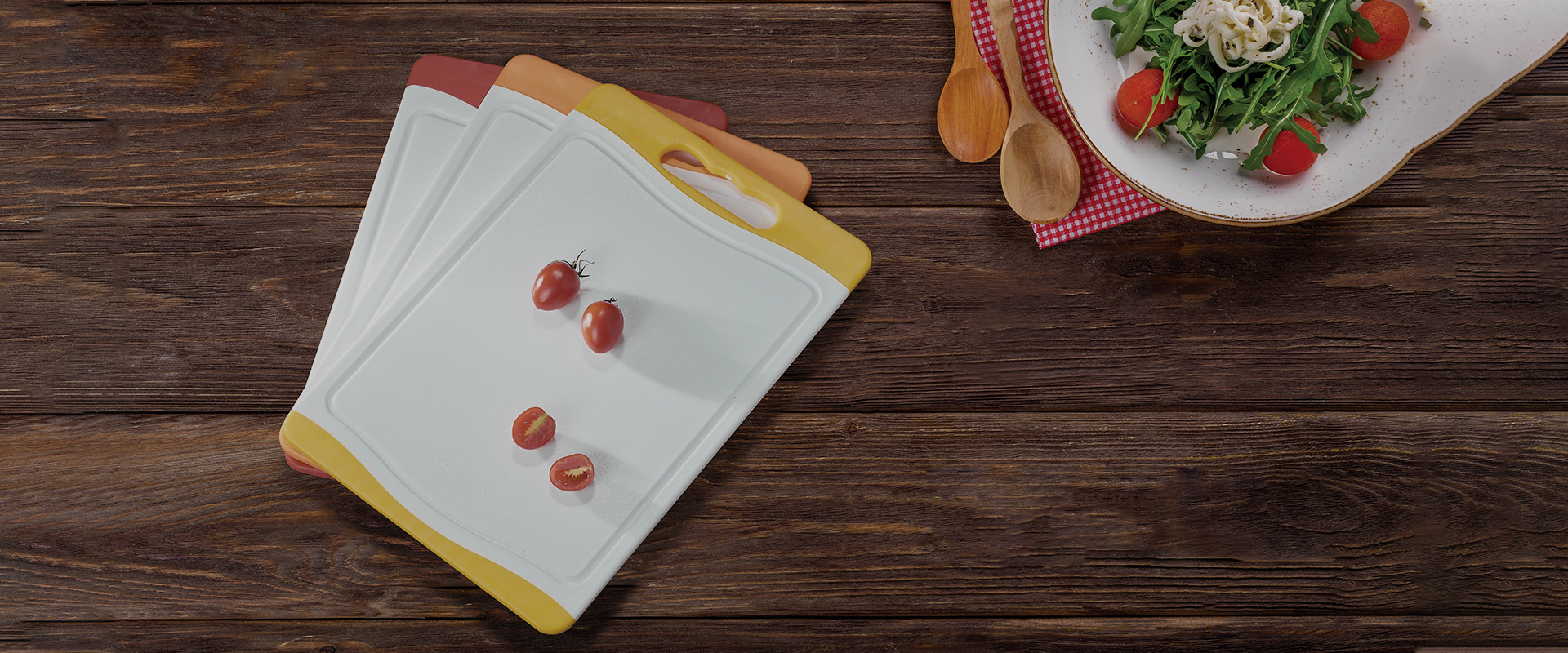 A primary slicing board works as a staple item throughout culinary areas. It furnishes a dependable and protected prep zone, and the correct option enhances your culinary routine. With countless varieties present, knowing how to start can be puzzling. Relax — this resource explains the main considerations when picking the ideal board for your kitchen.
 Begin with considering the construction materials. Often chosen materials are wood, bamboo, plastic, and glass. Each material has notable positives and negatives. Timber chopping boards offer durability and natural antibacterial traits but need regular oil care. Bamboo provides a green alternative that balances lightness with strength. Plastic boards are affordable and easy to clean, but can dull knives more quickly. Glass chopping surfaces handle scratches well and clean easily but can chip and are heavy.
Next up, reflect on the dimensions you need. A compact board handles light tasks like herb/garlic chopping, while a larger board creates more working space for slicing vegetables or preparing meals. Keep your available countertop space in mind.
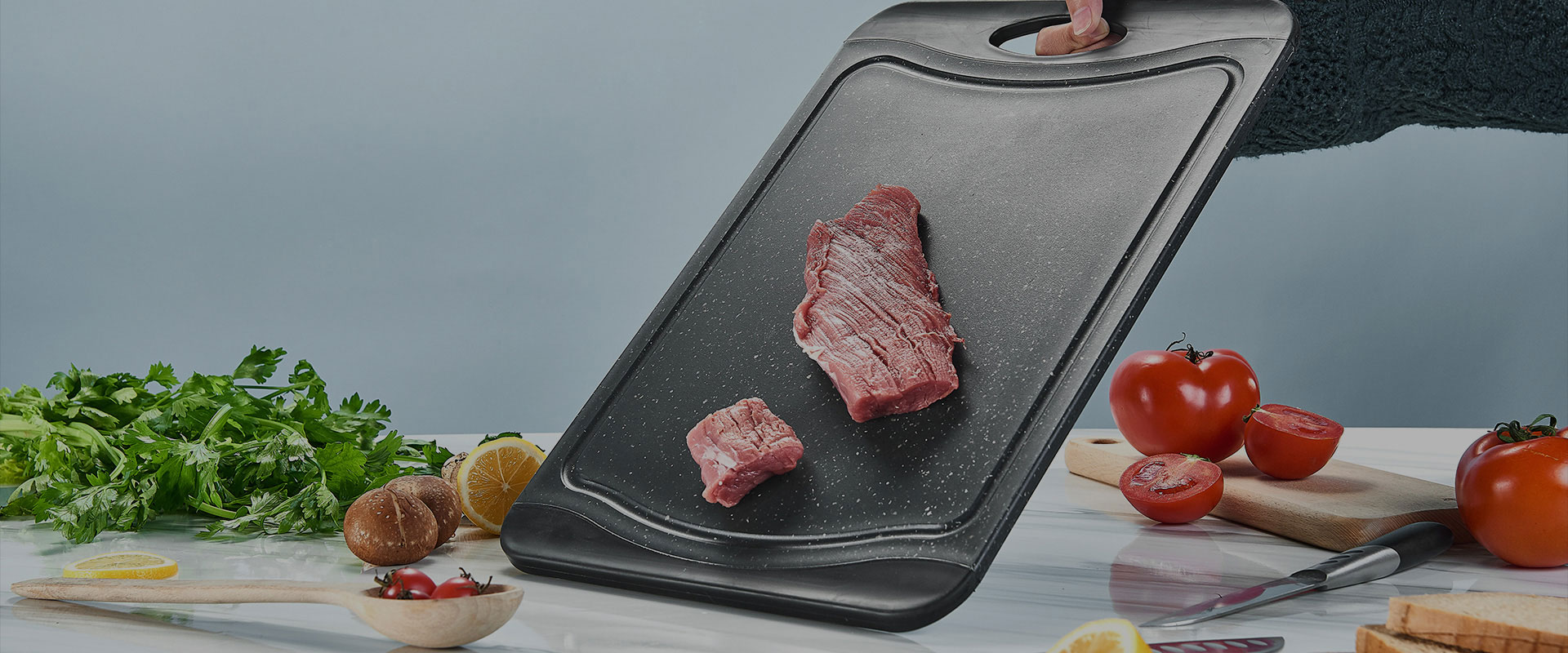
Lastly, keep design in mind. A chic chopping board infuses personality into your culinary area. Opt for a board that aligns with your decor and personal aesthetic.
Plastic, Wood, Bamboo: The Cutting Board Debate
The choice of board material commonly ignites debate among plastic, wood, and bamboo proponents. Each type brings different strengths, resulting in a difficult decision for domestic cooks. Plastic surfaces are valued for resilience and washability, whereas wood surfaces give a natural touch and can be resurfaced through sanding and refinishing. In the end, your preferred option will copyright on how you cook.
Take into account usage frequency, cutting task types, and personal style when deciding.
- Plastic boards are generally lighter and more affordable than wood boards
- Wood chopping boards frequently display better looks and longevity when cared for
- Silicone chopping surfaces excel at flexibility and resisting stains yet may be less durable than plastic or timber
Five Best Cutting Boards for Home Chefs
For culinary masters, a dependable board is crucial. It’s the central work surface for chopping produce and slicing proteins. Despite many choices, finding the perfect board can be difficult. Fear not, fellow food fanatics, we've done the research and compiled a list of the top 5 cutting boards that will elevate your culinary game.
- Our number one selection is...
- Our runner-up is...
- Moreover we include...
- Also consider is...
- End selection is...
Keeping Your Cutting Board Clean: A Guide
A cutting surface is essential but must be maintained to assure safety and durable life. Habitual sanitation reduces chances of bacterial transmission.
Cutting Board ManufacturerTo keep your cutting board in top condition, consider these simple tips:
- Wash your board with hot, soapy water after each use.
- Sanitize your board by wiping it down with a diluted bleach solution or using a food-safe sanitizer.
- Dry the board well before storage to prevent moisture.
- Store in a dry, well-aired location to avoid moisture accumulation.
Sharpening Knives Like a Pro on Your Cutting Board
Acquiring a keen blade edge on a board requires deliberate technique over random motions. It involves controlling force and maintaining a precise angle. Start with securing the sharpening tool at a uniform degree relative to the blade edge. Now, with each stroke, guide the tool along the length of the knife, maintaining that constant angle. Keep in mind the goal isn't heavy force but a gentle, controlled glide. While sharpening, the blade texture will change, feeling smoother and reducing catches. Feel free to try different angles and pressures until you discover the best approach for your knife and sharpener. Once achieved, that razor-sharp edge will not only slice through ingredients with ease, but also enhance the overall enjoyment of your culinary creations.
Sculpting Boards for Kitchen Craftsmanship
Our spotlight is on Artisan Block Co., a distinguished maker dedicated to premium boards. With generations of know-how, they turn raw wood into useful and beautiful kitchen companions. Their emphasis on quality is obvious in selecting sustainable wood and precise construction methods.
Each cutting board is a unique work of art, showcasing the natural beauty of the wood grain. They provide numerous styles and sizes to meet varied needs, ranging from small prep boards to large butcher blocks.
- Also, Artisan Block Co. retails accessories including classy knife blocks and maintenance oils to help sustain durability.
- Whether you are seeking a high-quality cutting board that will become a cherished part of your kitchen, look no further than Artisan Block Co..
Resilient & Stylish: Modern Board Designs
Enhance aesthetic appeal and function via modern board designs. Plain heavy boards are out—current designs feature inventive materials and silhouettes that integrate into cooking spaces. Constructed from hardy woods like walnut or maple, these boards handle daily use and uplift countertop style. Ranging from classic rectangles to inventive geometric shapes, boards are available for every preference.
- Choose the finish that complements your kitchen design.
- Opt for boards featuring integrated juice channels to aid cleanup.
- Purchase a premium board that offers longevity for years.
Green Alternatives: Sustainable Board Options
When selecting a new board, think about its environmental footprint. Eco boards are produced from renewable materials like bamboo, certified wood, or reclaimed plastic. These options decrease your ecological impact and promote planetary well-being.
- Consider bamboo, a fast-regenerating and durable option.
- Select wood from sustainably managed forests.
- Investigate cutting boards formed from recycled plastics to repurpose trash.
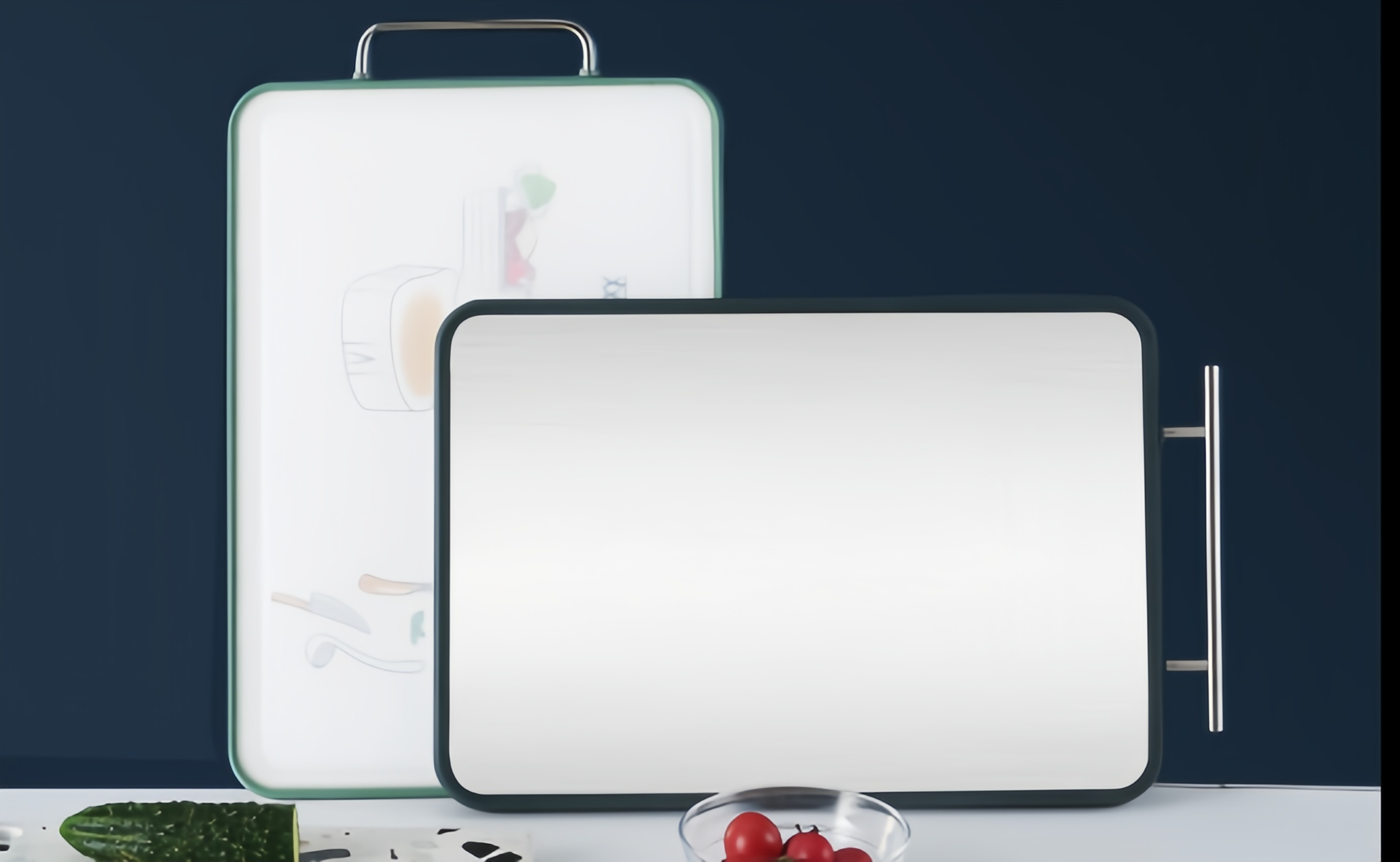
Defeat Stains: Picking the Ideal Board Material
When it comes to selecting a cutting board, material is key. A durable and stain-resistant surface will make your life easier in the kitchen. Wood boards are rustic, but they can absorb odors and stains. Bamboo provides a resilient, naturally antimicrobial choice. Synthetic boards are economical but often show scratches quickly. Glass surfaces look modern but risk chipping and cracking. Choose the board aligned with your needs and kitchen preferences.
Preventing Cutting Board Accidents: Tips
A properly cared-for board is crucial for safe kitchen preparation. Make it a rule to sanitize boards before and after each usage. Use separate boards for raw meat, poultry, and seafood to prevent cross-contamination. Avoid cutting on the board’s edge to stop damage that could harbor microbes. Replace the cutting board if it acquires deep cuts or fissures.
- Always slice on a secure cutting area.
- Keep edges sharp to lessen slip risks.
- Wash hands carefully with soap and water following raw food contact.
Improve Kitchen Performance with a Quality Board
A premium board serves beyond chopping produce. It stands as an investment that improves culinary experiences. Made from strong and appealing materials such as hardwood or bamboo, premium boards endure. Even surfaces permit precise knife work while the designs elevate kitchen style.
- A high-quality board can improve knife-work accuracy.
- Shield your counters against scratches and harm.
- Show off your kitchen skills with a lovely, useful cutting surface.